
What happens if a dosing equipment runs out of water?
If there is one thing that matters in an industrial laundry system, it is water. And the priority is to ensure it reaches the washer machines. This can sometimes mean that there is not enough water for the external dosing equipment—which supplies the chemicals needed for cleaning—to function properly.
The role of water in chemical dosing systems
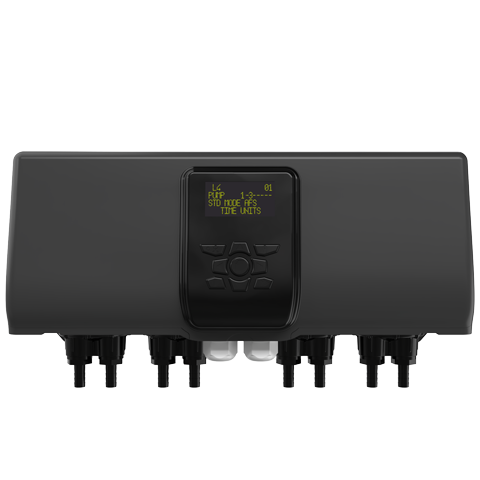
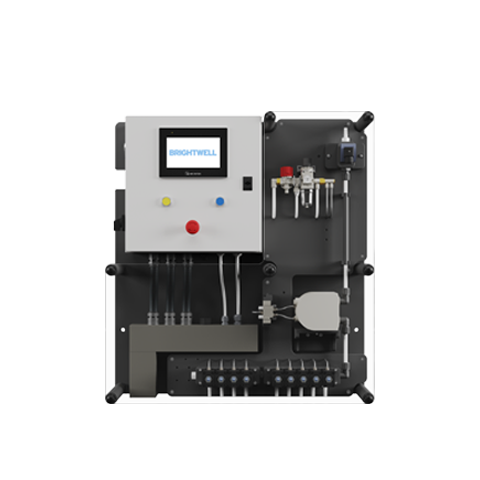
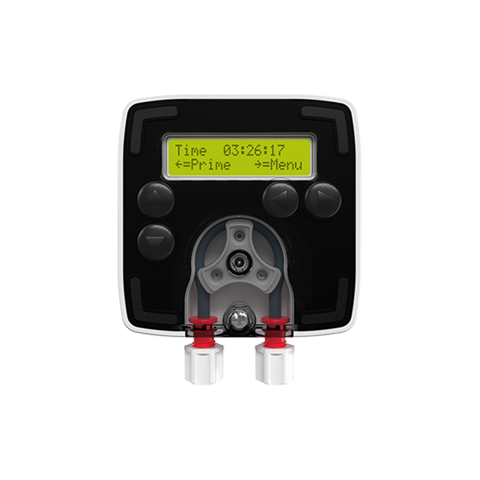
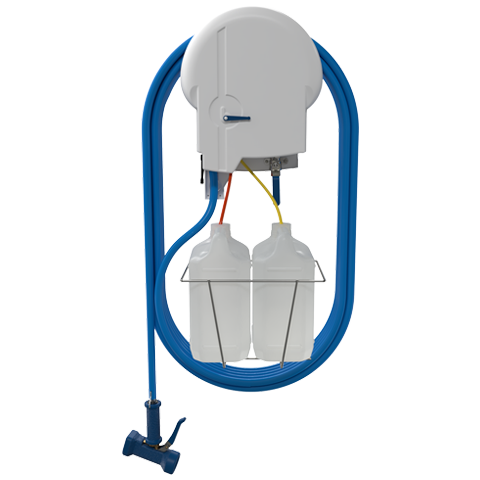
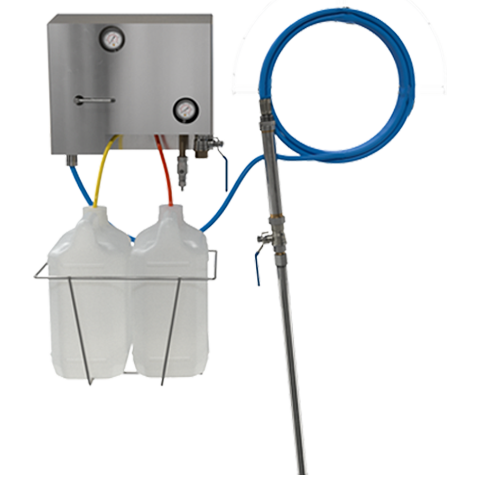
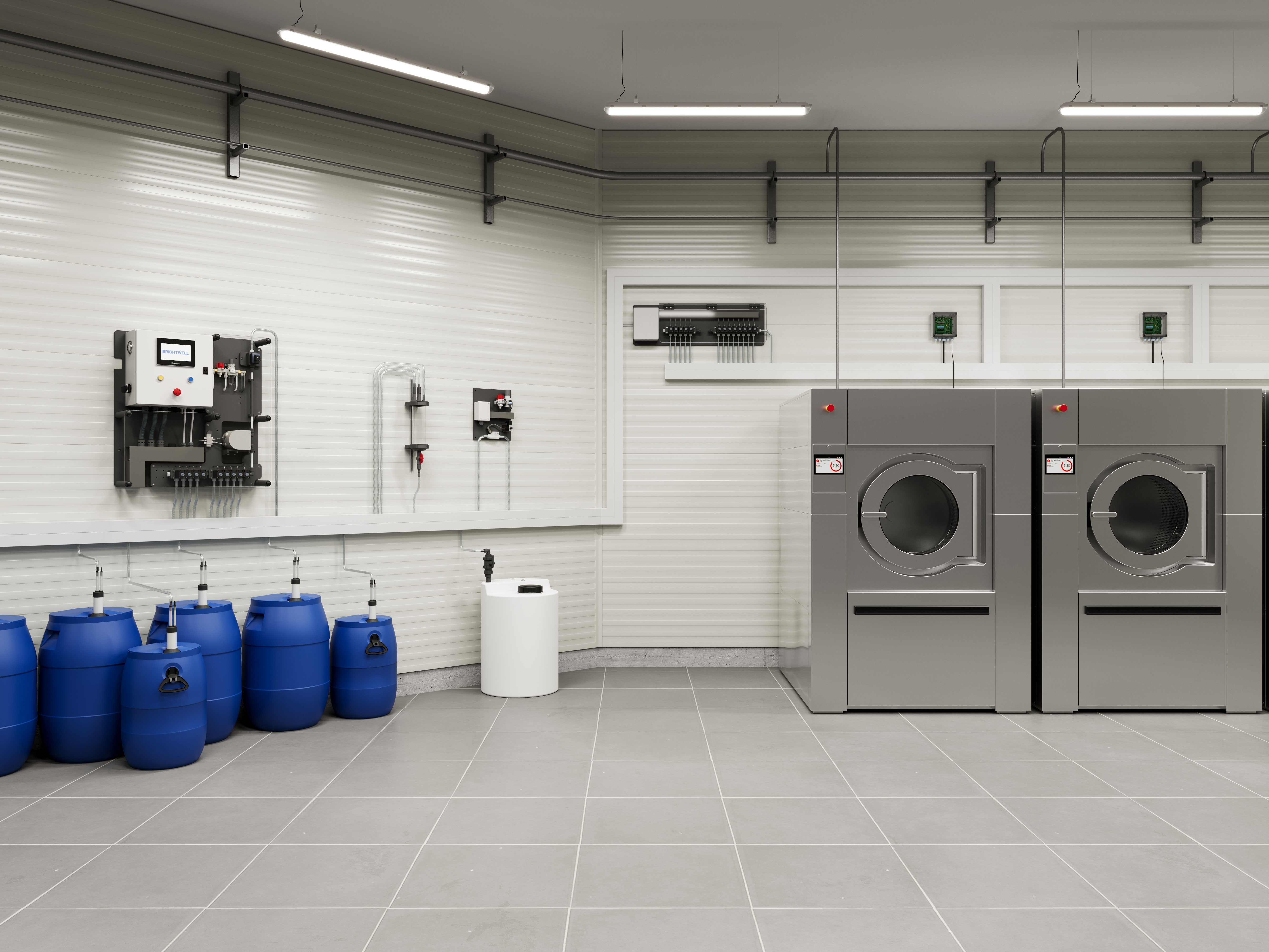
Firstly, it is essential to understand that in industrial laundry dosing equipment such as MULTIPLEX, water plays a vital role beyond the washing cycle itself. Much of the safety that the equipment provides for the washing machines, and therefore for the washing process, relies on water. During the chemical dosing phase, the MULTIPLEX unit uses water to:
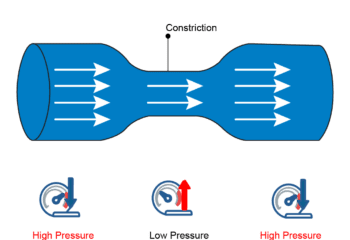
• Check, prior to dosing, that there is sufficient water (in terms of flow rate and pressure) for the dosing process to take place without problems and for the dosed chemical(s) to reach their intended destination.
Once the test has been passed, to carry the products to the washing machine.
• To prevent the chemicals from mixing in the dosing channel.
• To ensure the unit remains clean in order to preserve the integrity of its components —valves, pumps and meters).
In short, without water this process cannot be carried out properly.
The risks of running dry
If the dosing system runs out of water, several issues can arise:
1. Incorrect chemical application
Perhaps the most serious issue is that unsuitable chemicals may be introduced into wash cycles where they should not be. For example, if a chemical, such as bleach, becomes trapped and is not followed by water, or if the final rinse does not take place, it could later be introduced into a coloured laundry cycle —in the same or another machine—, compromising the wash quality and, in this example, the integrity of the fabric.
2. Accumulation of chemical residues
Without proper rinsing, chemical residues remain in the tubes after each dosing cycle. Over time, this leads to accumulation residues and wear and tear on the pipework. Water also acts as a maintenance agent and helps to extend the service life of the equipment.
3. Cross-contamination between products
MULTIPLEX uses water to ‘separate’ the dosed chemicals within the same dosing phase. Mixing incompatible chemicals can cause unpredictable and potentially dangerous chemical reactions.
Why this matters
In industrial laundry environments, precision is key. Chemical dosing is carefully calibrated to achieve specific results for different fabric types. Any deviation can lead to:
- Poor wash results
- Fabric damage
- Increased rewash rates
- Higher operational costs due to equipment wear and tear
The booster tank solution
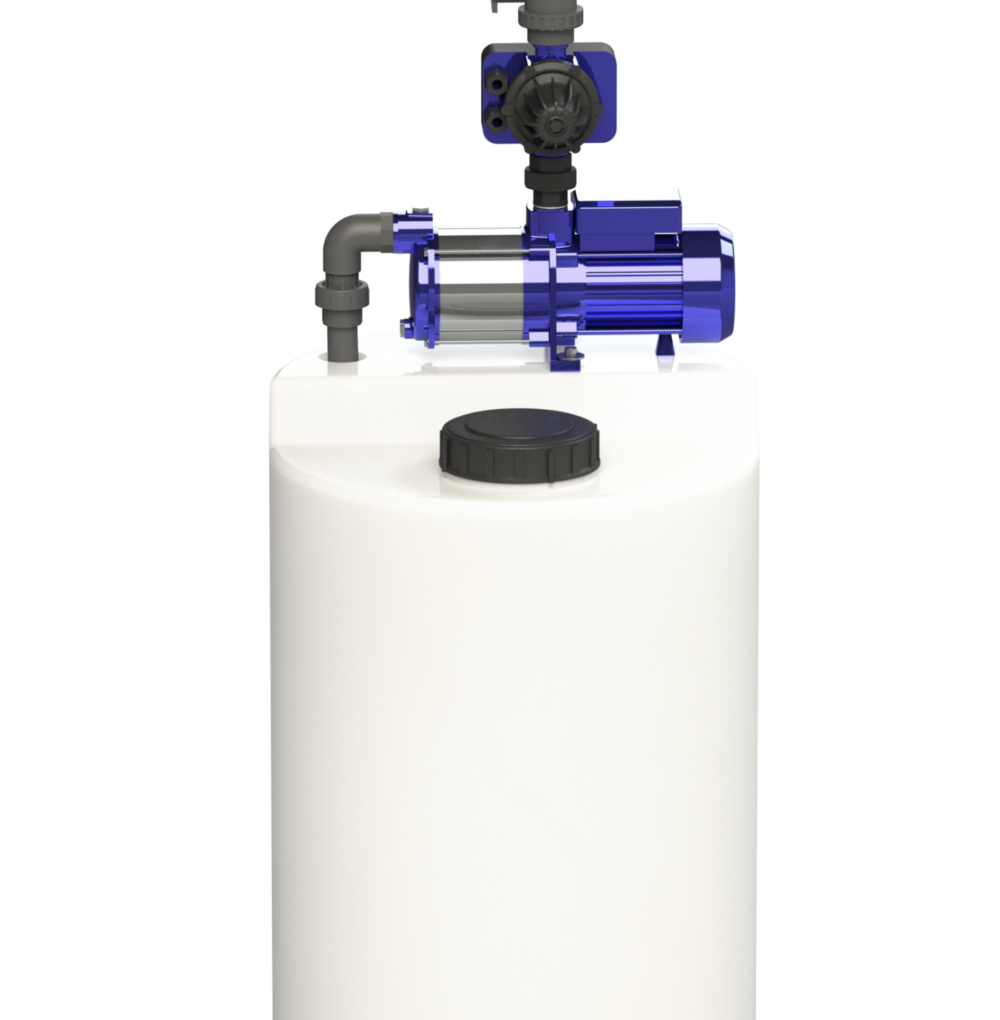
To mitigate these risks, we strongly recommend the installation of a booster tank —also known as a pressure control unit—dedicated to the dosing system.
This tank allows the dosing equipment to be ‘isolated’ from the mains water supply, ensuring a stable water supply (in terms of pressure and flow rate) to the equipment, thereby guaranteeing that the flushing process can be carried out at all times.
Key benefits of a booster tank:
- Operational continuity: Keeps the dosing system functioning correctly regardless of fluctuations in the main water supply.
- Chemical integrity: Prevents cross-contamination and preserves the intended chemical dosing accuracy.
- Improved safety: Reduces the risk of unintended chemical reactions.
- Consistent wash quality: Ensures each program receives only the chemicals it is designed for.
- Extends the service life of the equipment and reduces maintenance costs
So, ensuring a dedicated and reliable water source for a Multiplex system is essential for maintaining performance, safety, and efficiency in a laundry operation.