5 KPIs Every Industrial Laundry Should Monitor
Today’s most efficient operations rely on data-driven decision-making to control costs, maximize productivity, and maintain consistent performance.
With connected dosing systems and advanced reporting platforms, laundries now have access to real-time operational insights that were once impossible to obtain. However, the challenge is knowing which metrics matter most.
Here are five key performance indicators (KPIs) that every industrial laundry should monitor to improve efficiency, reduce costs, and drive continuous improvement.
Laundry Production
Production is one of the most fundamental indicators of operational performance. It measures the total volume of linen processed over a given period, typically expressed in kilograms or pounds.
Monitoring production allows you to:
- Track daily, weekly, and monthly output
- Measure productivity across different shifts
- Identify trends in demand and capacity requirements
- Evaluate the effectiveness of operational changes
Having a clear view of production data helps ensure that resources are aligned with workload requirements and that the laundry is operating at its full potential.
Water Consumption
Water is one of the largest utility costs in any laundry operation and a critical factor in sustainability performance.
Tracking water consumption helps to:
- Identify inefficient wash programs
- Detect unusual increases in usage
- Reduce utility expenses
- Support environmental and sustainability goals
By monitoring water consumption alongside production data, laundries can gain a better understanding of resource efficiency and identify opportunities for optimization.
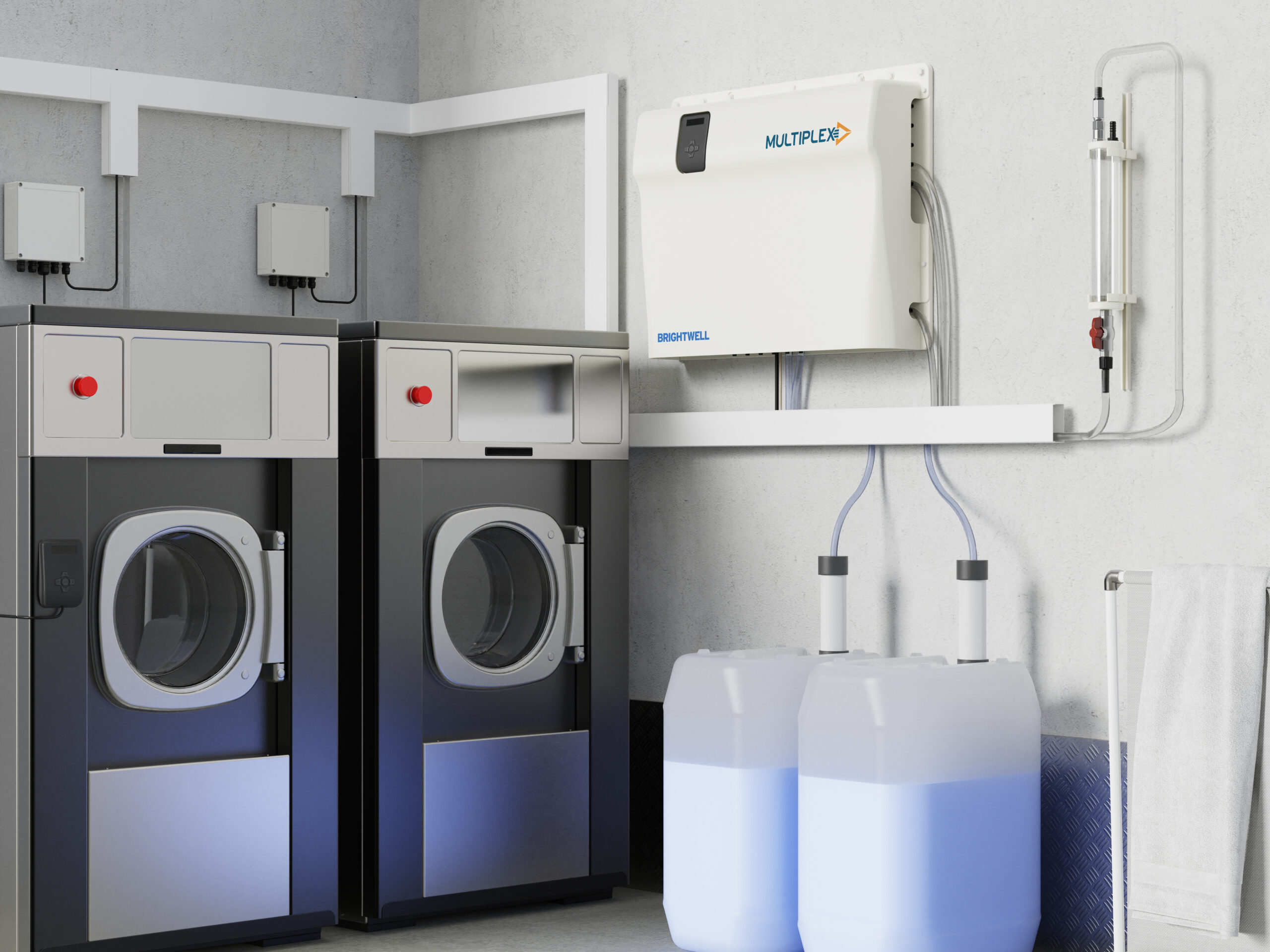
Chemical Consumption and Cost
Chemicals play a vital role in achieving high-quality wash results, but they also represent a significant operating expense.
Monitoring both chemical consumption and chemical cost provides valuable insights into:
- Dosing accuracy
- Product efficiency
- Cost per wash cycle
- Cost per pound of linen processed
Overdosing can increase expenses unnecessarily, while underdosing may compromise wash quality and lead to rewash costs. Accurate monitoring helps maintain the right balance between performance and profitability.
Production Efficiency
Production efficiency measures how effectively the laundry converts resources such as labor, water, chemicals, and machine time into productive output.
This KPI helps managers answer important questions such as:
- Which wash programs deliver the highest throughput?
- Are machines being utilized effectively?
- Where are operational bottlenecks occurring?
- Where are operational bottlenecks occurring?
Analyzing efficiency metrics allows operators to maximize the return on their equipment, workforce, and utility consumption.
Alarm Frequency
Operational alarms are often the first indication that something is not performing as expected. Whether related to dosing, equipment operation, communication issues, or process deviations, alarms provide valuable information about system health.
Monitoring alarm frequency enables laundries to:
- Identify recurring operational issues
- Reduce unplanned downtime
- Improve preventive maintenance practices
- Maintain consistent process control
A high number of alarms can indicate underlying inefficiencies that affect productivity, costs, and service quality. Addressing these issues proactively helps ensure smooth and reliable operations.
Why KPI Monitoring Matters
By continuously monitoring production, water consumption, chemical usage, production efficiency, and alarm frequency, operators can make informed decisions that improve performance across the entire facility.
Modern cloud-based reporting platforms make this process easier than ever, providing access to both real-time and historical data from a single dashboard, such as Brightwell Cloud.