


How incorrect dosing in a laundry can affect the lifespan of textiles
In a professional laundry, ensuring that textiles are clean and hygienically safe is only part of the process. Preserving their quality and extending their lifespan is also essential, particularly when it comes to garments and fabrics subjected to hundreds of wash cycles.
In each cycle, textiles are exposed to various factors: mechanical action, temperature, water and chemicals. When all these factors are correctly balanced, as illustrated in Sinner’s diagram, it is possible to achieve effective cleaning whilst minimising the impact on the fibres. However, incorrect dosing of chemicals can contribute to the progressive deterioration of fabrics, affecting their appearance, feel and strength.
Laundry chemicals are formulated to work within specific concentration ranges. An insufficient amount may compromise the washing result, whilst overdosing may subject the fabric to unnecessary chemical exposure

1. Too much detergent can leave residues
Using more detergent than necessary does not necessarily mean a better clean.
When too much product is used, it can be more difficult to remove it completely during the rinse cycle. Residues can build up on the fibers and affect their feel and appearance.
Furthermore, if the wash result is unsatisfactory, additional washing or rinsing cycles may be required, increasing both water and chemical consumption as well as mechanical wear on the fabric, not to mention the extra time needed to rectify the error and carry out further washes or rinses.
2. Incorrect dosing of bleaches can affect the fibres
Bleaching agents are effective at removing certain stains and maintaining the whiteness of textiles, but they require precise dosing.
An excessive concentration can accelerate the deterioration of certain fibres and affect colour stability. Conversely, an insufficient amount may fail to provide the expected level of whiteness or performance.
Precision is particularly important when working with products that have a high chemical activity.
3. pH balance is also important
The washing process must maintain suitable chemical conditions for both the textiles and the products used.
Incorrect dosing can disrupt the balance of the process and affect the performance of other chemicals. Maintaining the correct parameters allows each product to fulfil its function effectively without unnecessarily subjecting the fabric to harsh chemical conditions.
4. Irregular dosing can lead to inconsistent results
In a professional laundry, repeatability is key. Textiles should be subjected to washing conditions that are as consistent as possible in every cycle.
If the amount of detergent varies from one wash to the next, the results may also vary. This can lead to insufficient cleaning, the need to repeat cycles, and increased consumption of water, chemicals and energy.
Over hundreds of cycles, these variations can also lead to increased wear and tear on textiles.
The importance of precise dosing
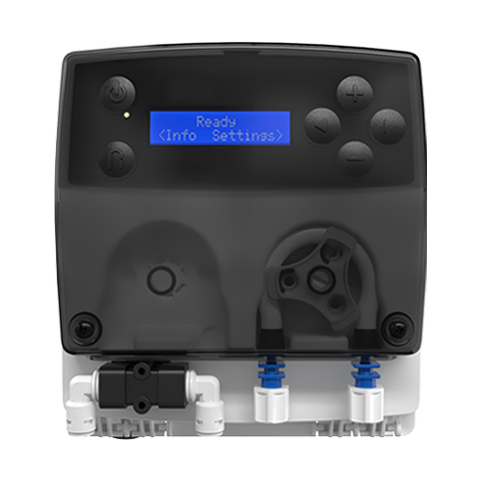
An automatic dosing system is not simply about adding chemicals to the washing machine. Its function is to deliver the correct amount of each product, at the right time and in accordance with the selected wash programm.
Precise dosing helps to:
• Maintain consistent washing results.
• Minimise the presence of chemical residues on textiles.
• Reduce the risk of overdosing.
• Help preserve the quality and appearance of fabrics.
• Reduce unnecessary washes and rinses.
• Optimise the consumption of chemicals and water.
• Maintain more controlled washing conditions.
This is particularly relevant in laundries that process large volumes of textiles, such as hotels, hospitals, care homes, industrial laundries or workwear hire companies. When the same fabric is washed hundreds of times, even small variations in the process can have a cumulative impact.

Precise and safe dosing with Multiplex
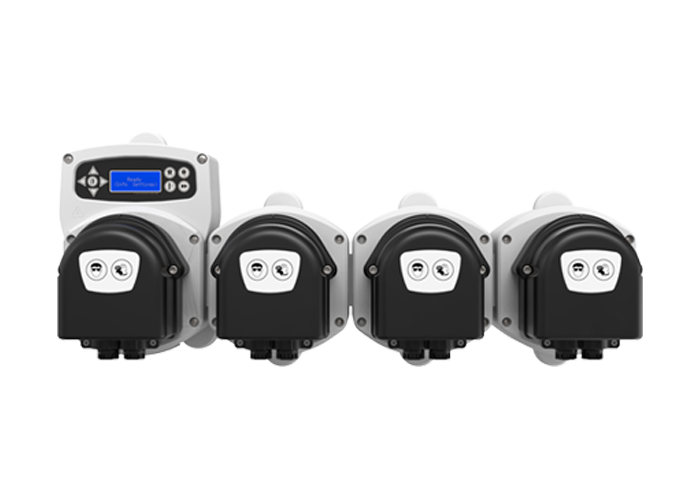
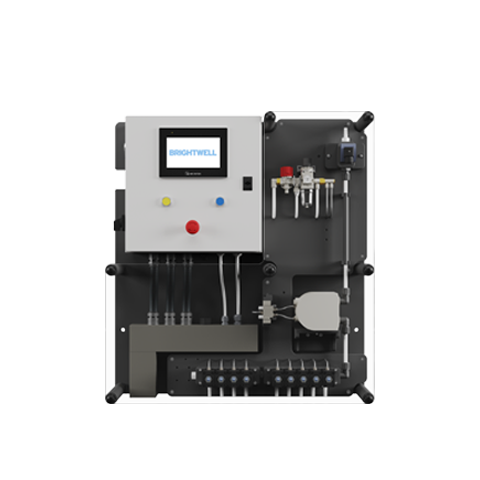
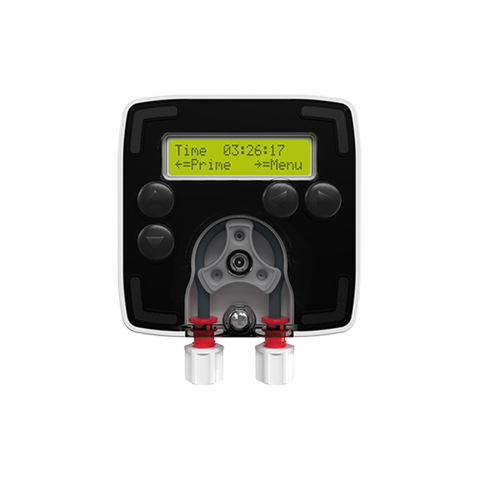
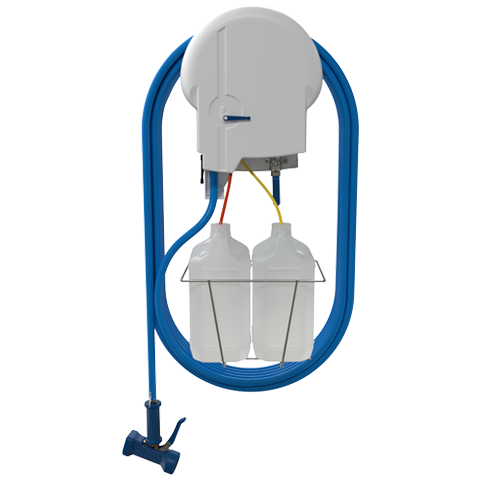
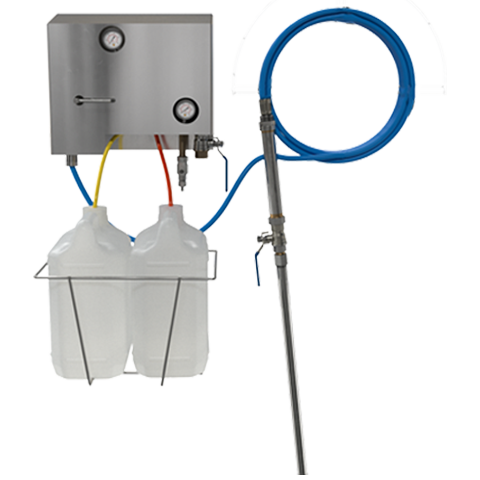
Multiplex systems are designed to centralise and automate the dosing of chemicals in industrial laundries, helping to maintain consistent, precise and safe washing conditions in every cycle.
Their configuration allows the system to be tailored to the needs of each facility, managing different chemicals and washing equipment. Dosing is carried out precisely, reducing the variations associated with manual dosing and the risk of using incorrect quantities of product.
As well as contributing to the precision and consistency of the process, Multiplex systems incorporate features designed to improve facility safety and the management of chemicals. They also feature a data collection system that enables the chemicals and all actions carried out by the equipment to be monitored and measured at all times.
This allows laundries to operate with a greater level of control over the washing process, preventing both product shortages and overdosing, whilst helping to optimise consumption.